Recovery & repair research peptides
The thickest part of the volume market, and the category where a price per milligram is easiest to check because almost every vendor sells the same two vial sizes.
4 compounds, 5 vial sizes, from $3.60/mg to $8.00/mg. The cheapest per milligram here is KPV.
Research use only. Not for human or veterinary use. Not a drug, food, supplement, cosmetic or medical device. Nothing on this page is medical advice.
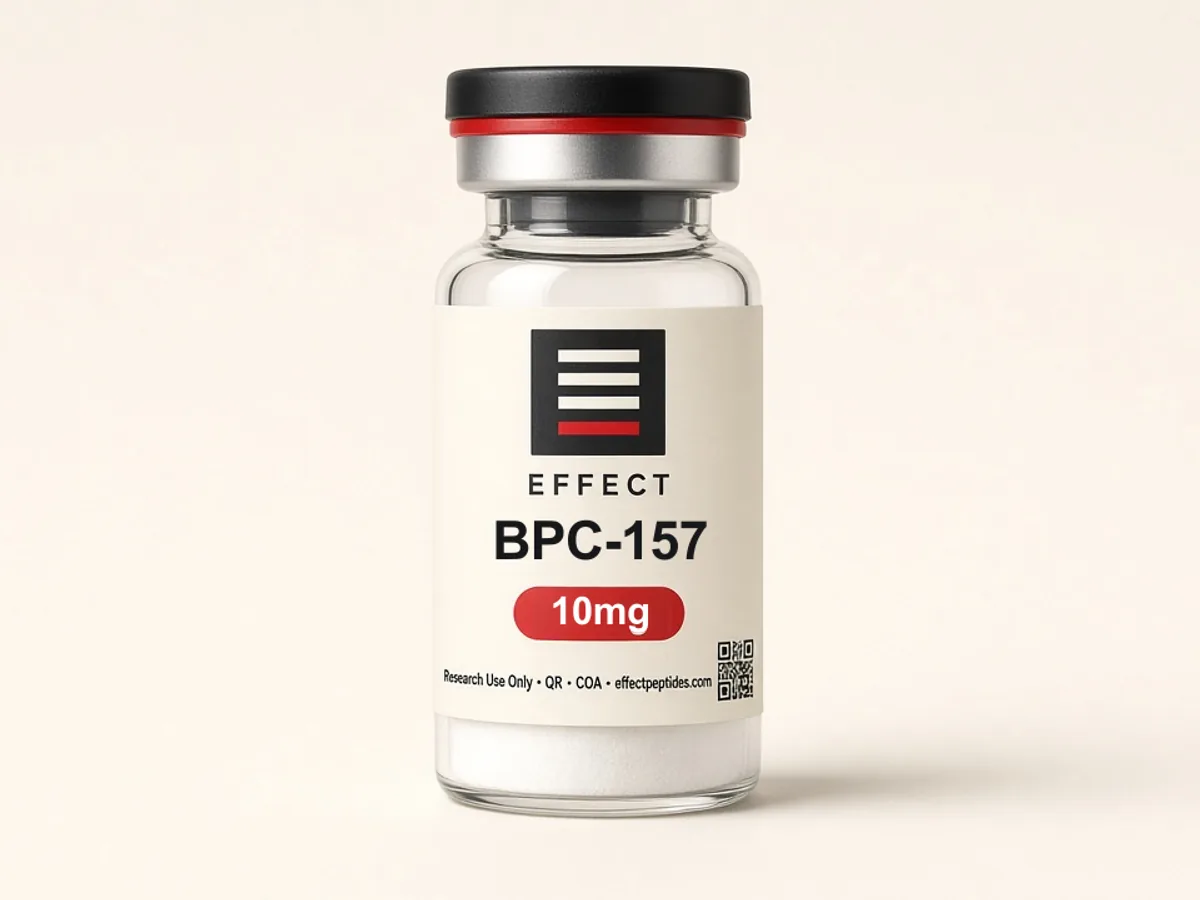
A synthetic pentadecapeptide derived from a sequence reported in human gastric juice. Characterized in rodent and in-v…
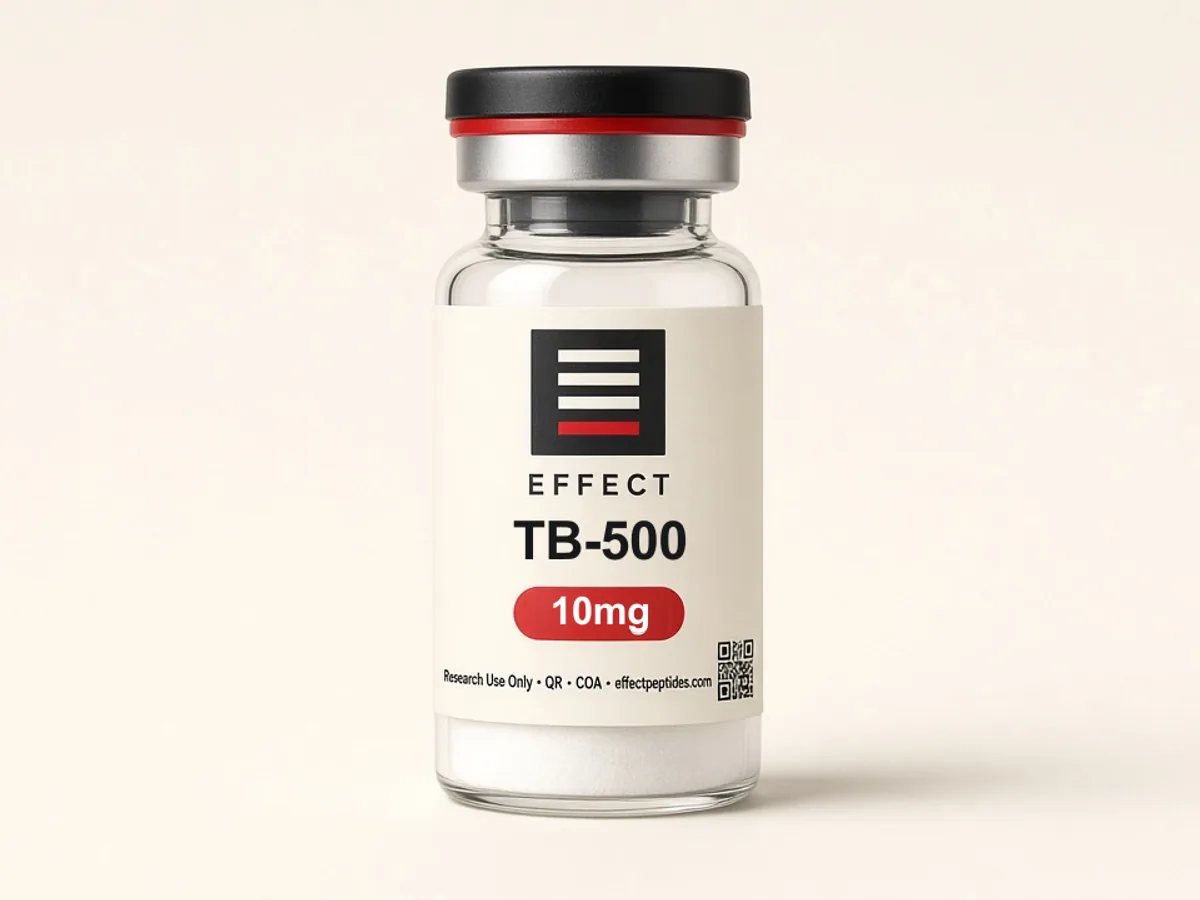
A synthetic peptide corresponding to the actin-binding region of thymosin beta-4. Studied in cell-migration and tissue…
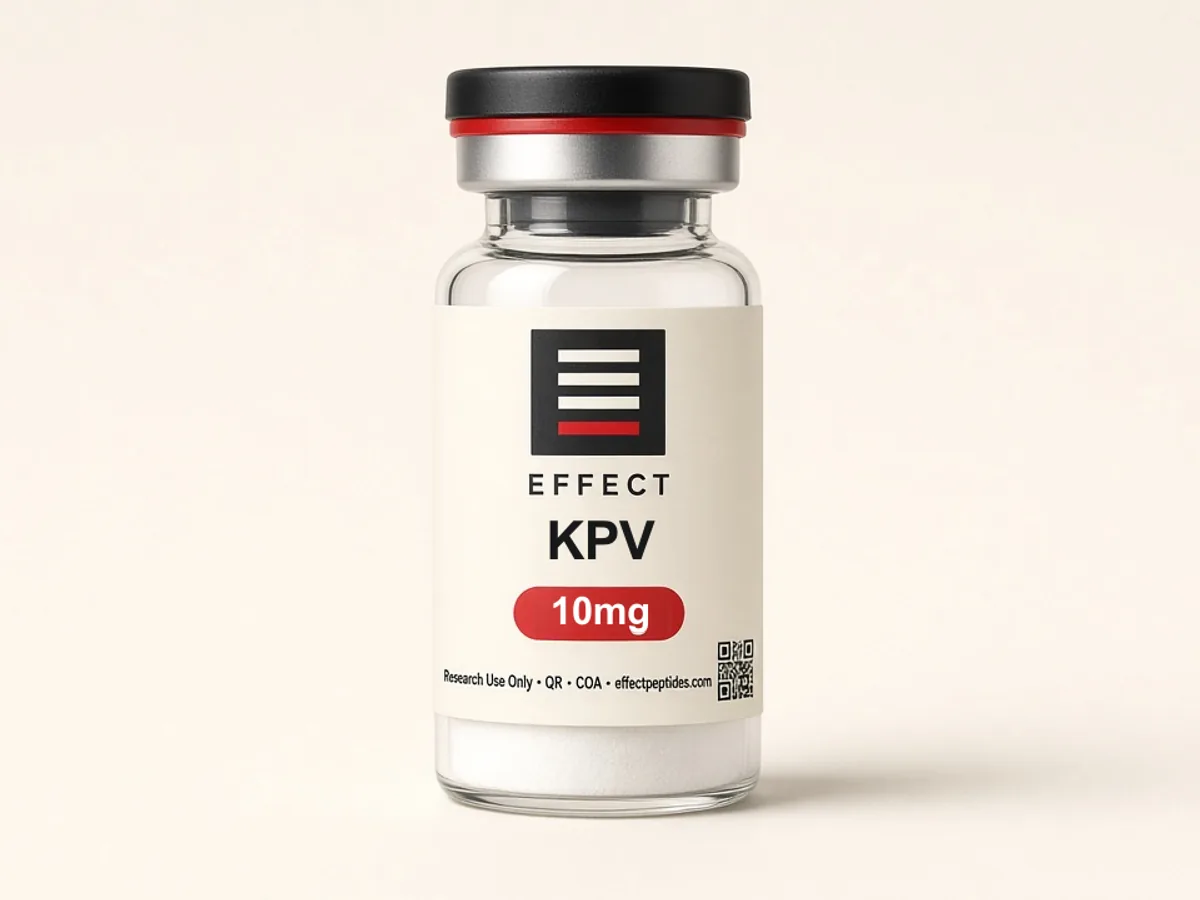
The C-terminal tripeptide fragment of alpha-melanocyte-stimulating hormone. Referenced in in-vitro inflammatory-signal…
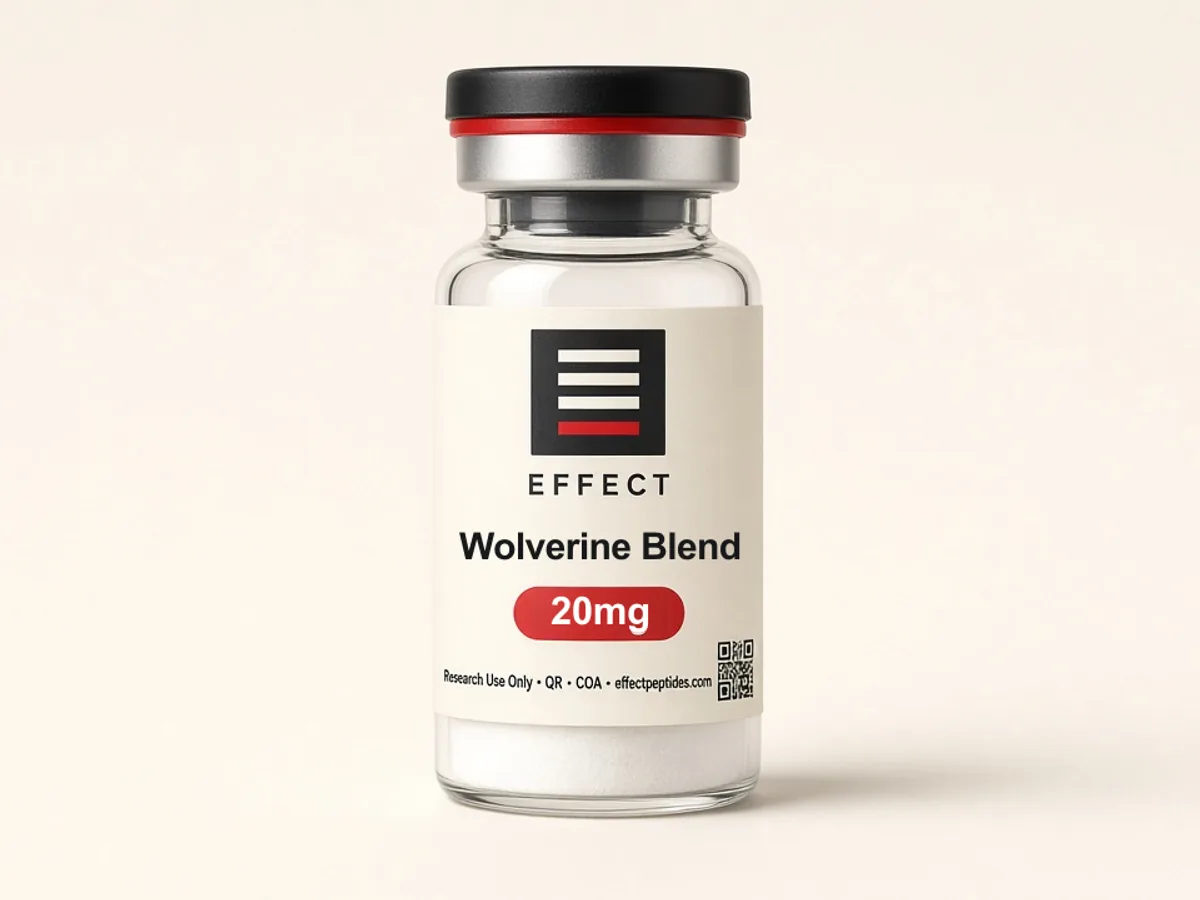
A co-lyophilized blend of BPC-157 and TB-500 in a single vial, split evenly by mass.
All published vial sizes
Price per milligram across recovery & repair
Effect standard list prices current as of 2026-09-30. Best per-milligram size shown for each compound.
What is in this category
Short synthetic peptides cataloged around tissue and connective-tissue research models, plus the co-lyophilized blends built from them. BPC-157 and TB-500 are the two most-searched research peptides in this market, and the Wolverine blend exists because buyers ask for both.
These are comparatively simple molecules. BPC-157 is fifteen residues with no lipidation and no cyclisation, which is a large part of why it sits at the cheap end of the market rather than the expensive end. Synthesis cost tracks sequence length and modification, and nothing here is heavily modified.
Comparing prices in this category
Almost everyone sells 5mg and 10mg vials, which makes this the best category in the catalog for checking whether a vendor's pricing is honest. A headline price that does not state the vial mass is not a price, and a 5mg vial quoted against somebody else's 10mg is the oldest trick here.
Blends are the second trap. A blend has no meaningful price per milligram because the milligrams are not all the same substance. Compare a blend against the cost of the single vials that cover the same masses, which is the arithmetic printed on every stack page here.
What a certificate has to answer
For a short unmodified peptide, a clean chromatogram and a matching observed mass are a straightforward ask. The one place to concentrate is identity on TB-500: the label is applied both to full-length thymosin beta-4 and to a much shorter fragment, and only the observed mass tells you which is in the vial.